
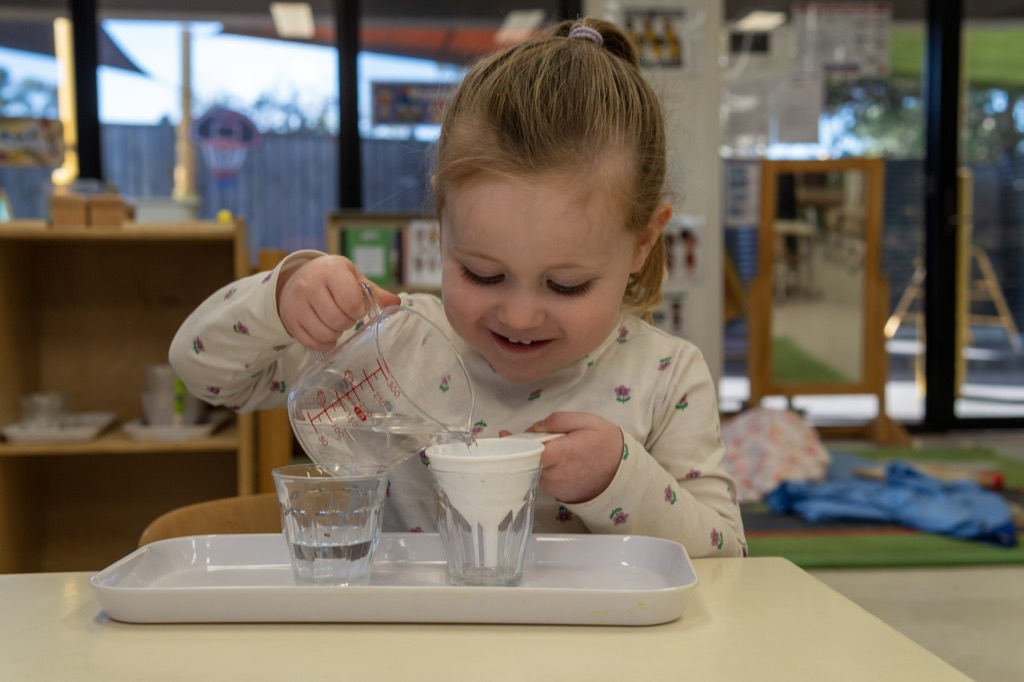
Practical Life
Pouring, dressing, preparing food and caring for the room. Everyday tasks build coordination, concentration and the quiet confidence of "I can do it myself".
Our approach
Here is how the method works, what it looks like inside our rooms and what it does for your child, along with an honest word about whether it might suit your family.
In plain language
Montessori is a hundred-year-old method built on a simple observation: young children want to do real things for themselves, and they learn best when the room is designed to let them. A Montessori room is what educators call a prepared environment. It offers real, child-sized materials on low, open shelves, each teaching one skill, with educators who show a child how and then step back.
The result looks surprisingly calm. Children choose their own work, repeat it until they master it, and put it back when they are done. That balance of freedom and order is the heart of the method, and it is why Montessori children tend to concentrate longer, manage themselves well and arrive at school feeling ready.
The Montessori curriculum
Every Billy-beet room is set up around the five areas of the Montessori curriculum. A child moves freely between them across the day, and together they cover everything a growing mind reaches for.
Pouring, dressing, preparing food and caring for the room. Everyday tasks build coordination, concentration and the quiet confidence of "I can do it myself".
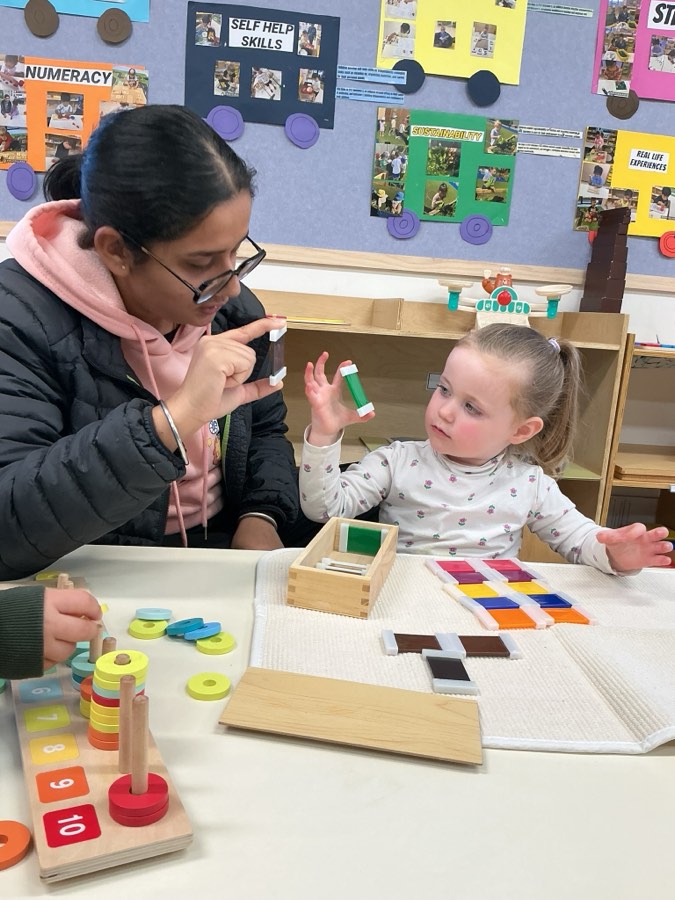
Materials that isolate one quality at a time: size, sound, texture, colour, weight. Children refine their senses and learn to order and describe the world around them.
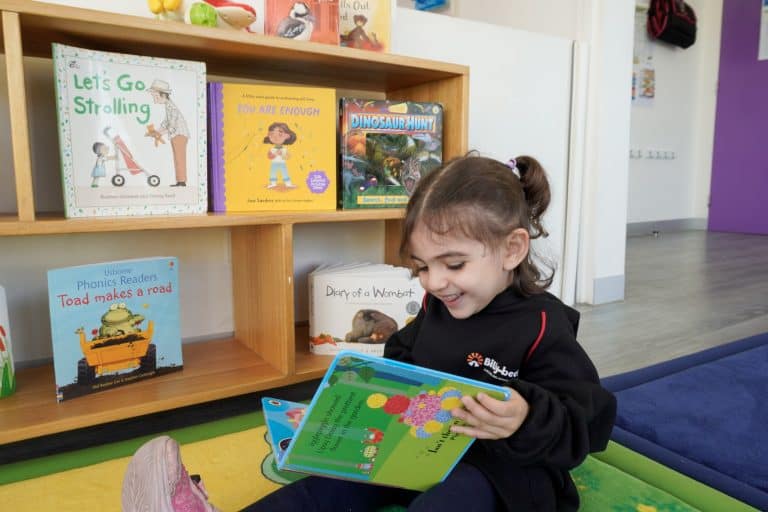
Rich spoken language, storytelling and sandpaper letters that lead naturally into first writing and reading, in the years when language comes most easily.
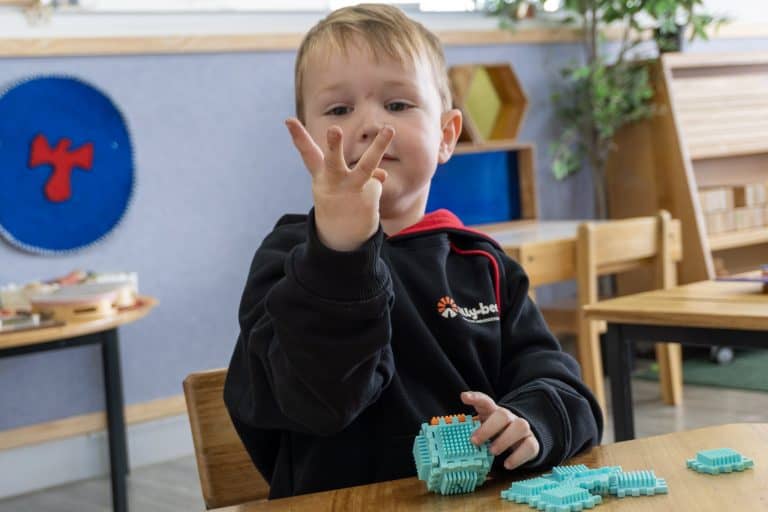
Golden beads, number rods and real quantities a child can hold. Children touch the maths first, so numbers on paper make sense when they arrive.
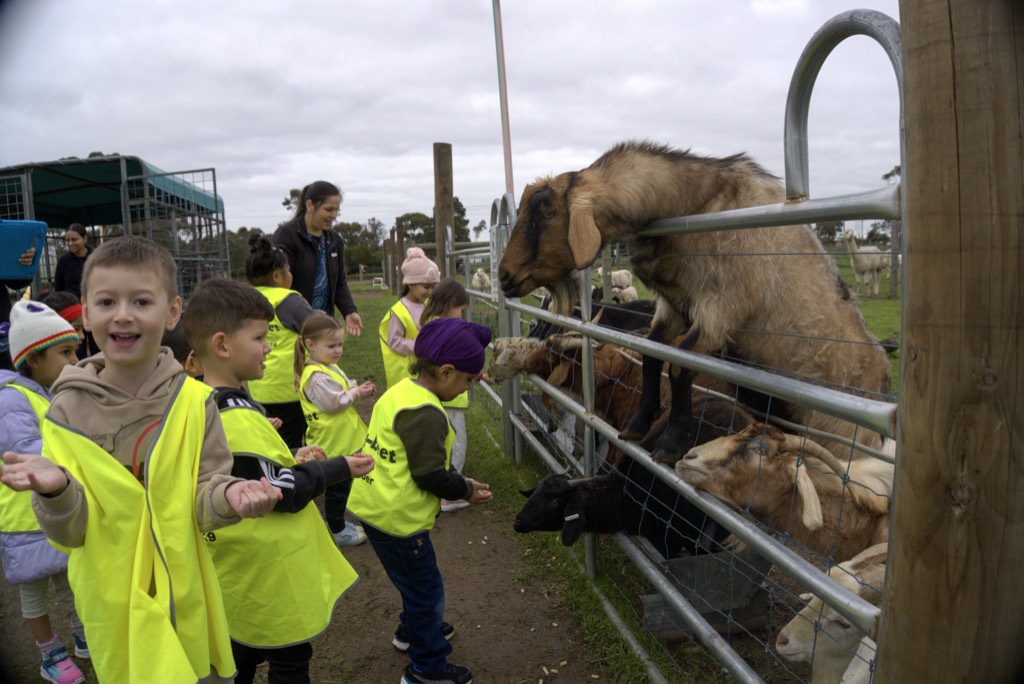
Geography, science, art, music and the natural world. Children find their place in a bigger picture, and our Bush Kinder excursions take that learning outdoors.
What it does for your child
The practice: practical life work such as pouring, dressing, preparing food and caring for the room. What you'll see: a child who packs their own bag, pours their own drink and beams with pride at doing it themselves.
The practice: long, uninterrupted learning cycles where children stay with a task as long as it holds them. What you'll see: a three-year-old deep in concentration, and a five-year-old who is ready for a classroom.
The practice: concrete literacy and numeracy materials such as sandpaper letters and number rods, which make abstract ideas touchable. What you'll see: early reading and counting that grew from the hands up.
The practice: mixed-age rooms and grace-and-courtesy lessons. What you'll see: older children who mentor, younger children who aspire, and fewer battles over sharing.
The practice: predictable rhythms, one place for everything, and educators who guide quietly and calmly. What you'll see: calmer drop-offs and a child who knows what comes next.
The practice: following the child. Educators observe what fascinates each child and prepare the room to feed it. What you'll see: a child who walks in knowing exactly what they want to work on.
Credentials
The word Montessori is not protected, so it helps to know what to look for. Here is how you can feel confident about ours, and the same checks are worth making at any centre you visit.
We are a member of the national peak body for the Montessori movement in Australia.
A prepared environment is easy to recognise once you have seen one: low, open shelves, complete materials, order and calm. Ten minutes in a room will tell you a lot.
Our programming is delivered by qualified ECT, Diploma and Certificate III educators with Montessori professional development. Ask us about any room's team at your tour.
Every approved service in Australia is listed on the ACECQA national registers, including ours. It is worth looking up any centre before you enrol.
For most children, yes. The method meets each child where they are, and it particularly suits families who value independence, calm and rhythm. If you are picturing screens and worksheets, ours is a different kind of program, and we would rather you know that early.
The best test is a visit. Watch a room for ten minutes and you will have your answer.

See it in person
Book a tour and watch the prepared environment do its quiet work.