
Child safety
How we keep children safe
Safety is the first question every parent should ask, and the one we most like answering. Here is exactly how protection works at Billy-beet, and every part of it is open for you to inspect at your tour.
Our people
Our own educators, never agency casuals
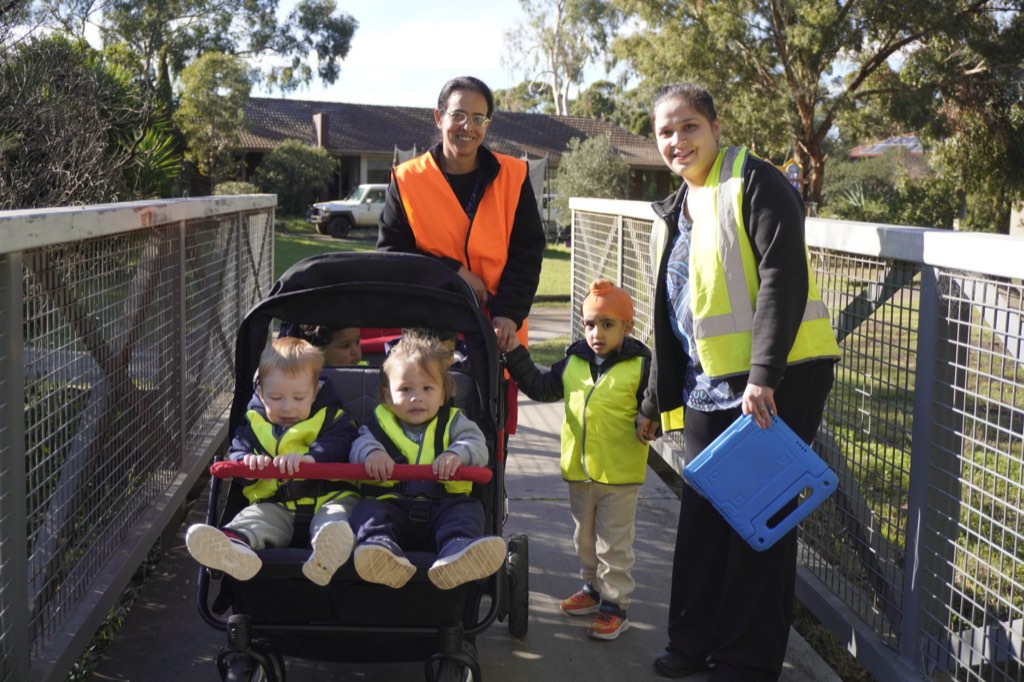
We do not use agency casual staff. Ever. Every adult who cares for your child is a member of our own team: recruited by us, screened by us, trained by us, and known to the children by name. When someone is away, the shift is covered by our own people, so a familiar face is always at the door.
Completed before any educator starts with us, and kept current.
A valid WWCC is verified for every educator, volunteer and student before they set foot in a room.
We speak to two referees for every hire and ask the questions that matter, not just the easy ones.
Why this matters
Agency casuals are strangers to the children, to the families and to us. Our no-agency rule means every adult in every room is someone we chose, screened and stand behind personally. It costs more to run this way. We think it is the only way to run.
Supervision
Four eyes in the room
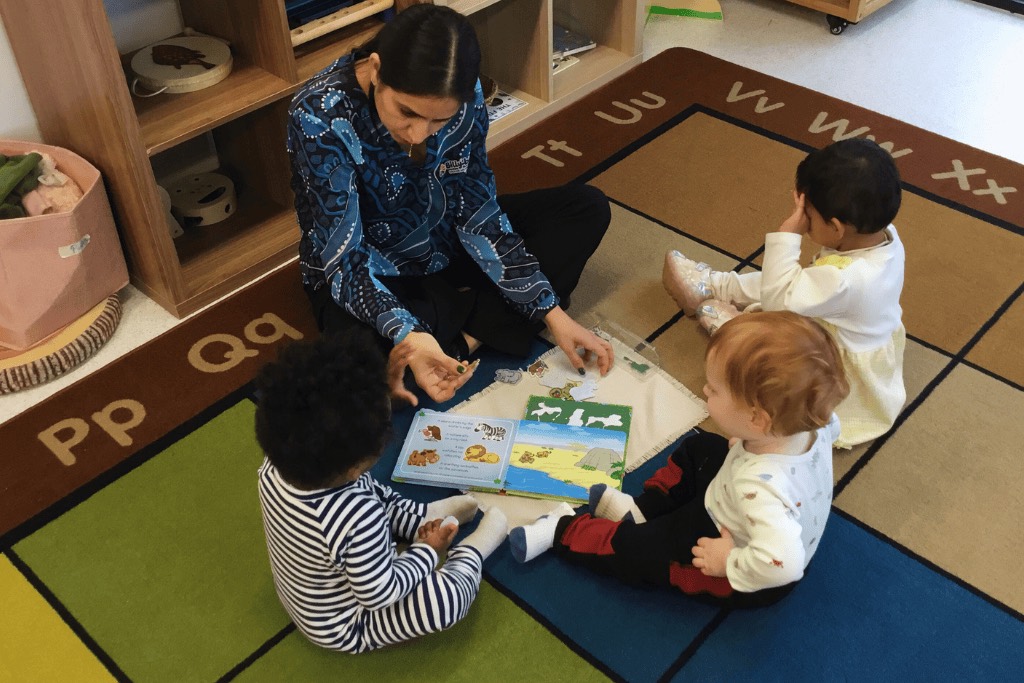
Research on child safety in institutions keeps arriving at the same safeguard: more than one adult present. Our 4-eyes practice means rooms are staffed with two educators wherever possible, so children are always in the sight of more than one trusted adult. Volunteers and students are additional to this and carry mandatory reporting obligations, the same duty to speak up that binds our educators.
We are honest about the edges too. Where a roster means a single educator is briefly the only adult in a learning environment, those times are explicitly declared to the provider in advance and the CCTV covering that window is audited. Nothing about supervision at Billy-beet relies on trust alone.
CCTV
CCTV in every learning space, governed properly
CCTV covers the learning environments across all of our centres. If anything is ever in question, we can sit down with you and look at exactly what happened, and that changes the conversation from recollections to facts. We have run our centres this way from the start, and we support the government's current review into CCTV requirements for early learning.
CCTV only helps if it is governed well, so ours operates under a formal CCTV policy: who can access footage, how review and audit work, and how families' privacy is protected. You are welcome to read the policy at your tour, and we encourage you to ask any centre you visit for theirs.
Designed to be seen
Rooms built for visibility
Good sightlines are quiet safeguarding. A service-wide risk assessment shapes our environments so that supervision is easy and hidden corners are rare.
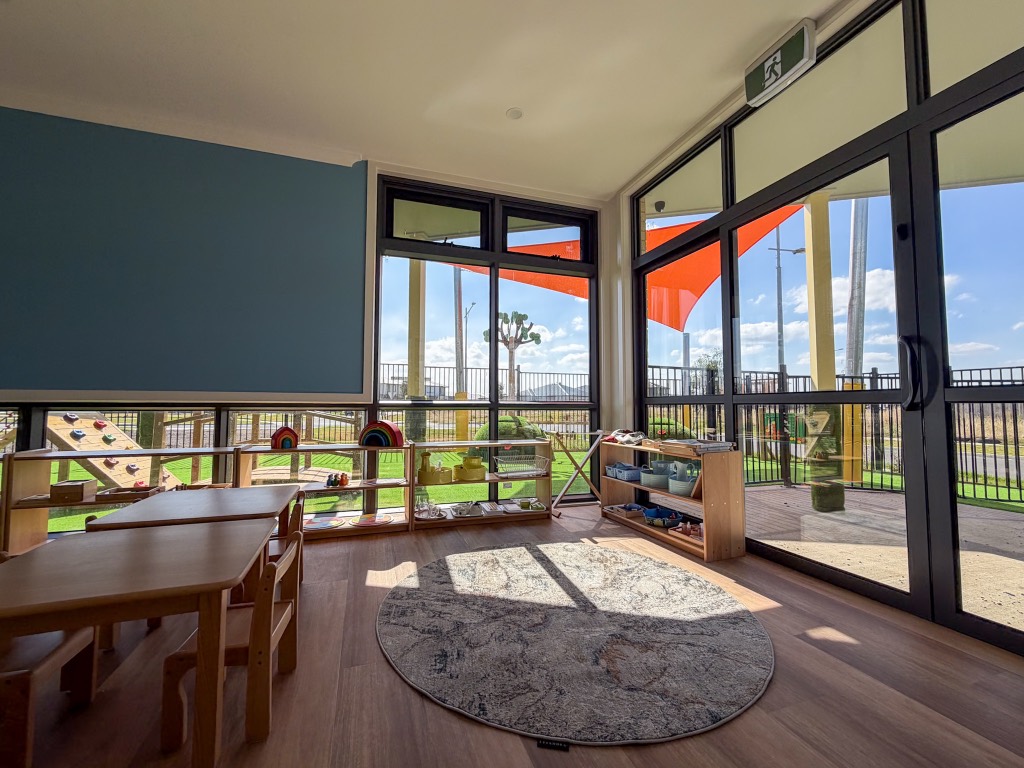
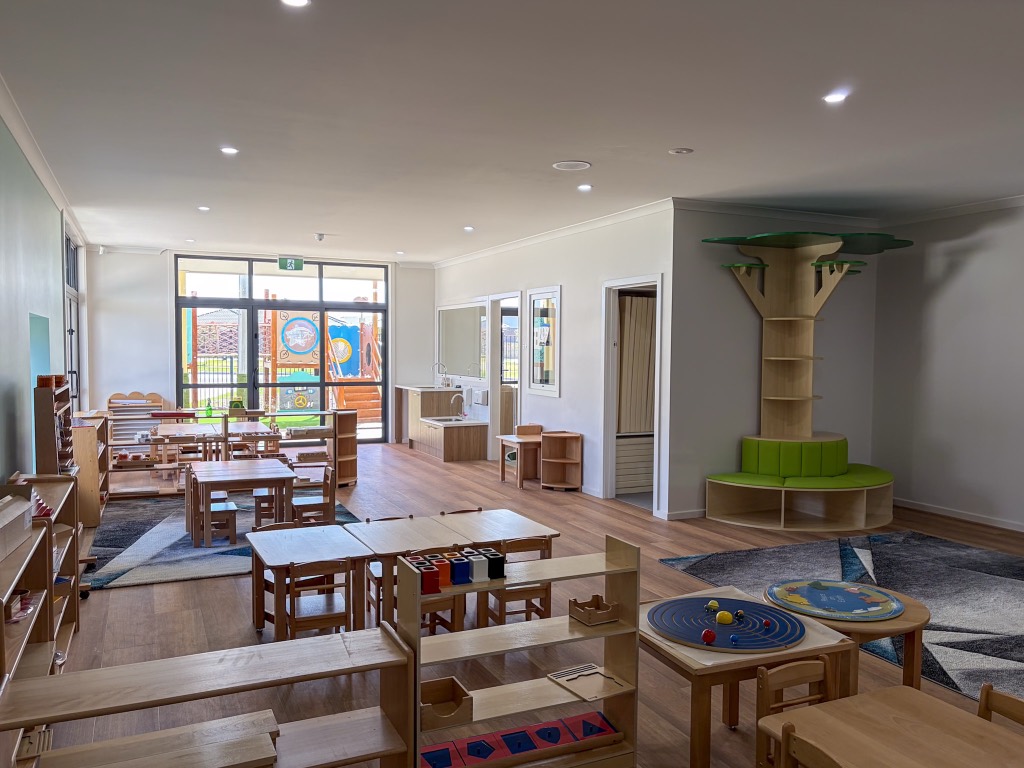
We use windows and visible, open learning spaces wherever possible, promoting transparency and safety.
Our risk assessment actively reduces curtains, solid doors and screened corners that block sightlines.
Risk is assessed across the whole service, reviewed as rooms and routines change, not filed and forgotten.
Children learn personal boundaries, safe and unsafe feelings, and who they can talk to, in an age-appropriate way, every term.
See our rooms for yourself
The best safety check is your own eyes. Tour any centre, walk every room and ask us anything at all.